
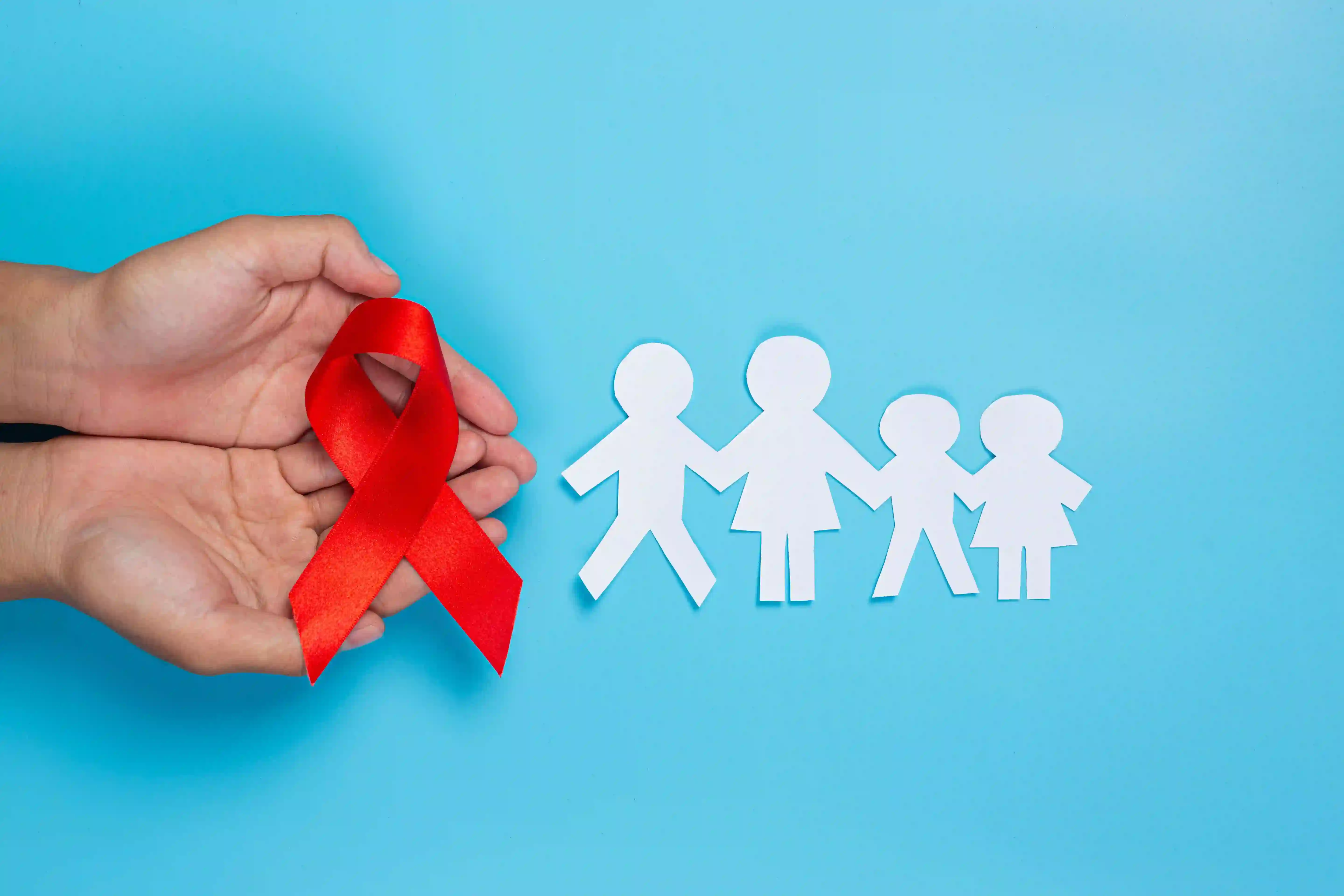
HIV/AIDS prevention is a critical public health issue that continues to be a global concern. This devastating virus, which attacks the immune system and can lead to the development of AIDS, has claimed millions of lives and continues to affect individuals worldwide. However, through education, awareness, and access to preventative measures, the spread of HIV/AIDS can be significantly reduced.
One of the most important steps in preventing the transmission of HIV/AIDS is education. This includes providing accurate information about how the virus is transmitted and how it can be prevented. By educating individuals about the risks associated with unsafe sexual practices, sharing needles, and other high-risk behaviors, they can make informed decisions to protect themselves and others from contracting the virus.
Effective HIV/AIDS training programs should be comprehensive, evidence-based, and culturally sensitive to ensure participants are equipped with the knowledge, skills, and attitudes needed to address the multifaceted challenges posed by HIV/AIDS. Training should also emphasize ongoing learning and adaptation to evolving scientific discoveries, public health strategies, and community needs.