
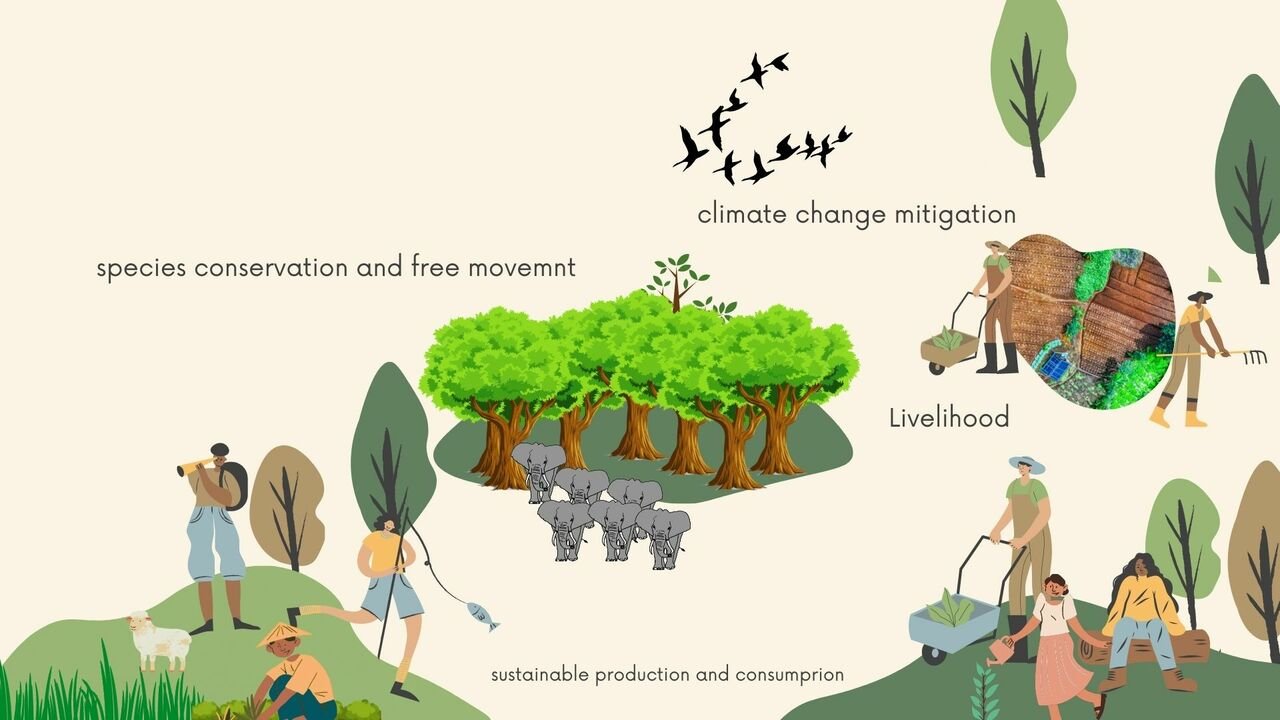
Training and capacity building are crucial components of professional development in any industry or organization. These processes aim to enhance an individual's skills, knowledge, and capabilities to perform their job more effectively and efficiently. By investing in training and capacity building, organizations can improve employee performance, increase productivity, and ultimately achieve their business goals.
Training typically involves teaching specific skills or knowledge related to a particular job or task. It can take various forms, such as seminars, workshops, on-the-job training, or online courses. The goal of training is to equip employees with the necessary tools and resources to perform their job tasks competently.
Conduct needs assessments and consultations with tribal communities to understand their specific challenges, aspirations, and existing knowledge gaps. This helps in designing tailored training programs that are relevant and responsive to local needs.
Ensure training programs are culturally sensitive and respect local traditions, languages, and customs. Use participatory approaches that engage community members in the design, delivery, and evaluation of training initiatives.
Offer practical training in various skills relevant to livelihoods in tribal areas. This may include agricultural techniques, livestock management, forestry practices, handicraft production, small business management, and sustainable resource utilization.
Provide training in entrepreneurship, business planning, marketing, and financial management to enable tribal communities to start and manage their own enterprises. Foster innovation and creativity in identifying income-generating opportunities.
Train community members in sustainable resource management practices such as watershed management, soil conservation, agroecology, and biodiversity conservation. Emphasize the importance of environmental stewardship and resilience to climate change.
Conduct training on health education, sanitation practices, nutrition, and maternal-child health care. Empower community health workers and volunteers to promote preventive health practices and improve overall well-being.
Build digital literacy skills among tribal youth and adults to enhance access to information, communication, and educational resources. Provide training on using mobile phones, computers, and the internet for learning, business, and community development.
Offer leadership development programs to build the capacity of community leaders, especially women and youth, in decision-making, conflict resolution, advocacy, and effective governance. Strengthen local institutions and promote inclusive participation in decision-making processes.
Incorporate monitoring and evaluation mechanisms into training programs to assess the impact, effectiveness, and sustainability of capacity-building initiatives. Use feedback from participants to continuously improve program design and delivery.
Collaborate with government agencies, NGOs, academia, and private sector organizations to leverage resources, expertise, and networks for training and capacity-building initiatives. Foster partnerships that support long-term sustainability and scalability of interventions.
By investing in training and capacity building, tribal communities can develop the skills and knowledge needed to address challenges, seize opportunities, and achieve sustainable development goals. Empowered individuals and communities are better equipped to improve their livelihoods, preserve cultural heritage, and contribute to inclusive growth.