
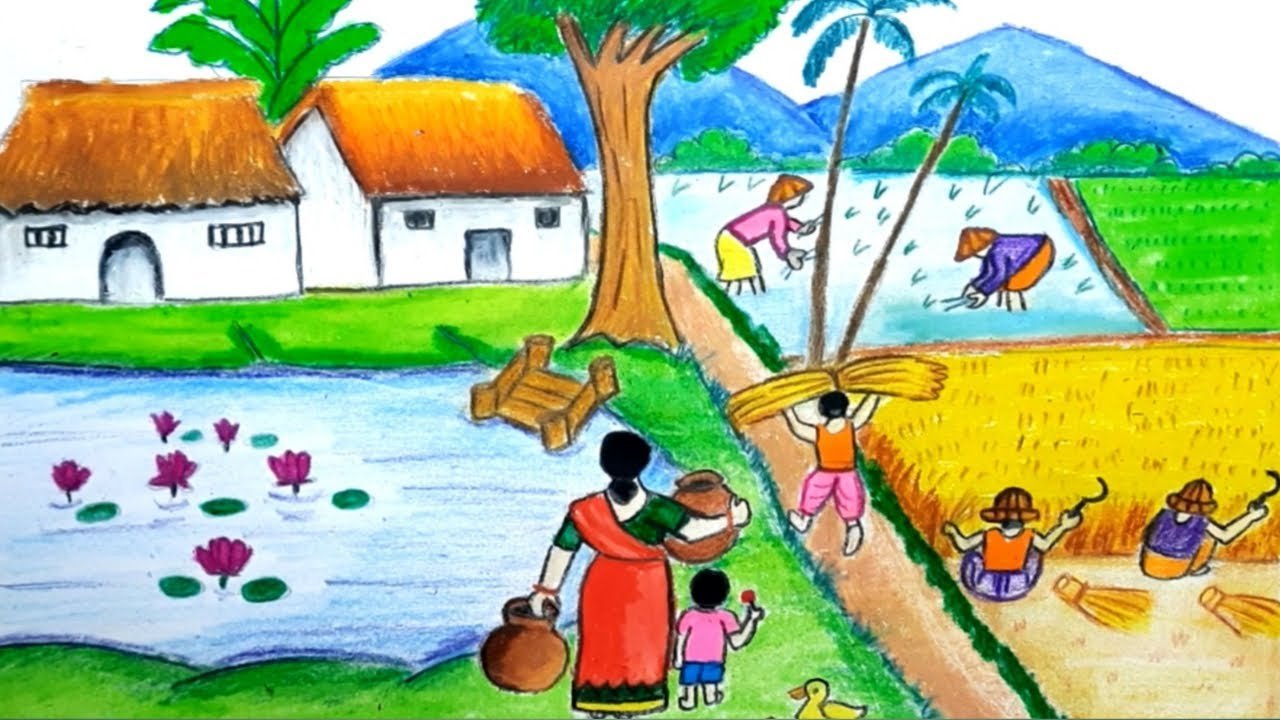
Livelihood in tribal localities presents unique challenges due to factors such as geographical isolation, limited infrastructure, cultural distinctiveness, and often, historical marginalization. Improving livelihood opportunities in these areas requires holistic strategies that address economic development, social inclusion, and preservation of cultural heritage.
Here are some key approaches to enhancing livelihoods in tribal localities:
Many tribal communities possess unique skills in crafts, arts, agriculture, and handicrafts. Promoting and preserving these traditional skills not only helps in sustaining cultural heritage but also provides income-generating opportunities. This can be supported through training programs, market linkages, and marketing assistance.
Tribal areas often have rich natural resources such as forests, minerals, and biodiversity. Sustainable management of these resources can create livelihood opportunities through eco-tourism, forest produce collection, sustainable agriculture, and non-timber forest products. Encouraging community-based resource management and providing training in sustainable practices are crucial.
Agriculture is a primary livelihood source for many tribal communities. Enhancing agricultural productivity through improved seeds, organic farming practices, irrigation facilities, and access to markets can significantly improve income levels. Agricultural extension services and farmer cooperatives can support knowledge sharing and collective marketing efforts.
Encouraging diversification of livelihoods beyond traditional occupations can reduce dependency on a single income source. This can include promoting small-scale industries, entrepreneurship development, livestock rearing, and off-farm employment opportunities such as in construction, services, and transportation.
Access to financial services such as credit, savings, and insurance is crucial for starting and expanding livelihood activities. Microfinance institutions, self-help groups, and community-based financial initiatives can provide financial inclusion to tribal communities who often lack access to formal banking services.
Improving basic infrastructure such as roads, electricity, and telecommunications is essential for enabling economic activities in tribal areas. Infrastructure development not only facilitates transportation and connectivity but also attracts investments and improves access to markets.
Investing in skill development programs tailored to local needs can enhance the employability of tribal youth and adults. Training in modern technologies, vocational skills, and entrepreneurship can empower individuals to pursue diverse livelihood opportunities.
Promoting women's participation in economic activities through skill development, access to resources, and entrepreneurship training can lead to inclusive economic growth and social development in tribal communities.
Governments should formulate policies that prioritize inclusive development and address the specific needs of tribal communities. This includes land rights, forest rights, protection of traditional knowledge, and equitable access to resources.
Sustainable livelihood initiatives should involve active participation of tribal communities in decision-making processes, project planning, and implementation. Empowering local institutions and fostering community ownership can ensure the long-term success and sustainability of livelihood interventions.
By adopting these approaches, livelihood opportunities in tribal localities can be enhanced, leading to improved economic resilience, reduced poverty, and sustainable development while respecting and preserving the cultural heritage of these communities.